Written by students, for students

The Students' Guardian.

A standing home for student writing on education — from classrooms across this nation and from across the borders. If you are a student with something to say about how we learn, this page is waiting for it.

Help fund this work

Open call

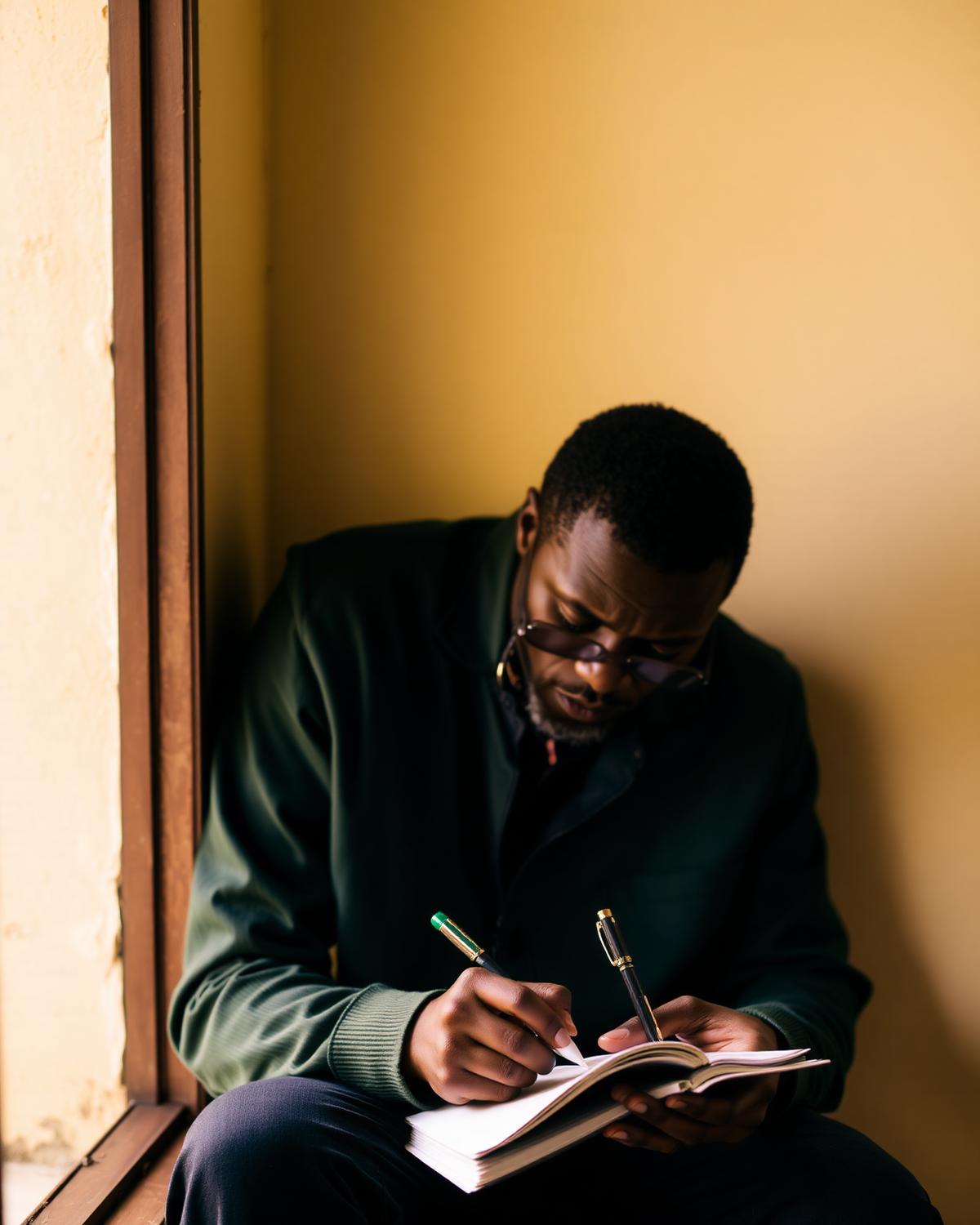
Send us your article on education.

We are reading submissions from students across the nation and across the borders. Write about what you actually see — the fees, the language of instruction, the walk to school, the teacher who changed your mind, the policy that looks different from a classroom than it does from an office.

You do not need to be published before. You do not need permission from your school. You need a topic about education and something honest to say about it.

What we are looking for

  • A topic related to education — schooling, access, policy, teaching, learning, or student life.
  • A maximum of 1000 words. Shorter is welcome; longer will be sent back.
  • Correct, standard written English. We edit for clarity, never for your argument.
  • Your own work, in your own words. Plagiarism ends a submission immediately.
  • Anything you claim as fact should be something you can point us to.
  • A photograph, if you have one you took yourself and have the right to share.

Every submission is read. We reply to the ones we can publish, and we will tell you what we changed before it goes live. Your contact details are never published and never shared.

Current issue

Reading now

6 pieces · every one under 1000 words

Education Reform·12 September 2026

The Education We Want: Learning In Our Lifetime!

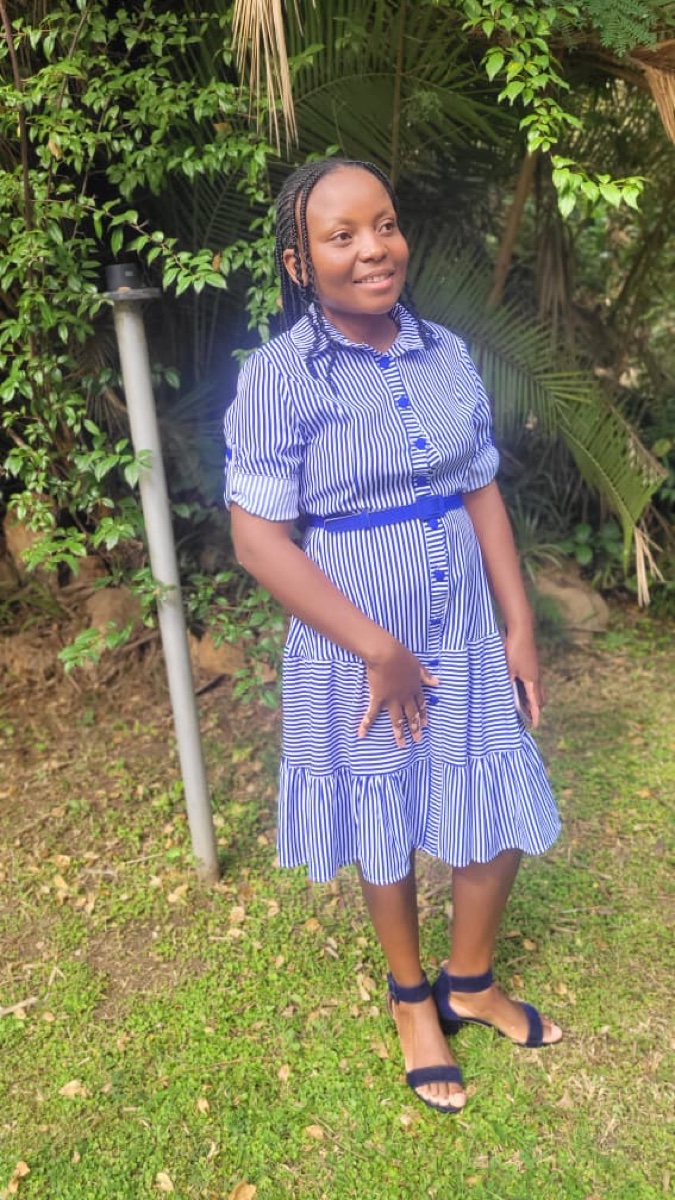
A certificate without skills and values is empty. An Ordinary Level student at Mwanza High sets out what school should teach, and what it still refuses to.

TZ
Tabeth Zimutambila
Mwanza High, Ordinary Level · Zimbabwe
Education·12 September 2026

Education: The Key to A Better Future

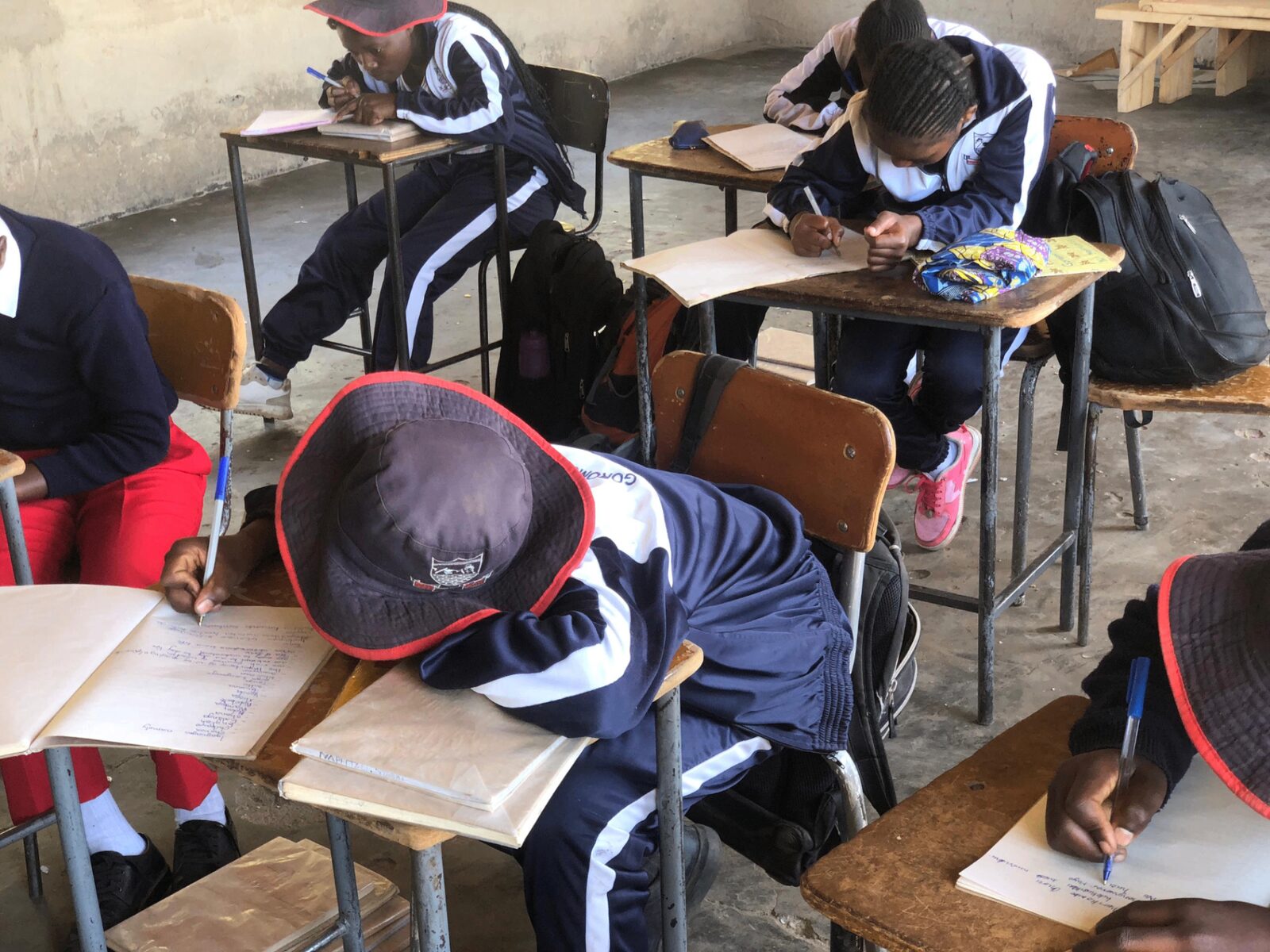
Education does not only take place in classrooms. An Advanced Level student at Chemhondoro High argues that what a country invests in its learners, it invests in its own future.
Read 2 min 404w
Girl Child Education·18 August 2026

A Desk of Her Own: What the Girl Child Loses on the Walk to School

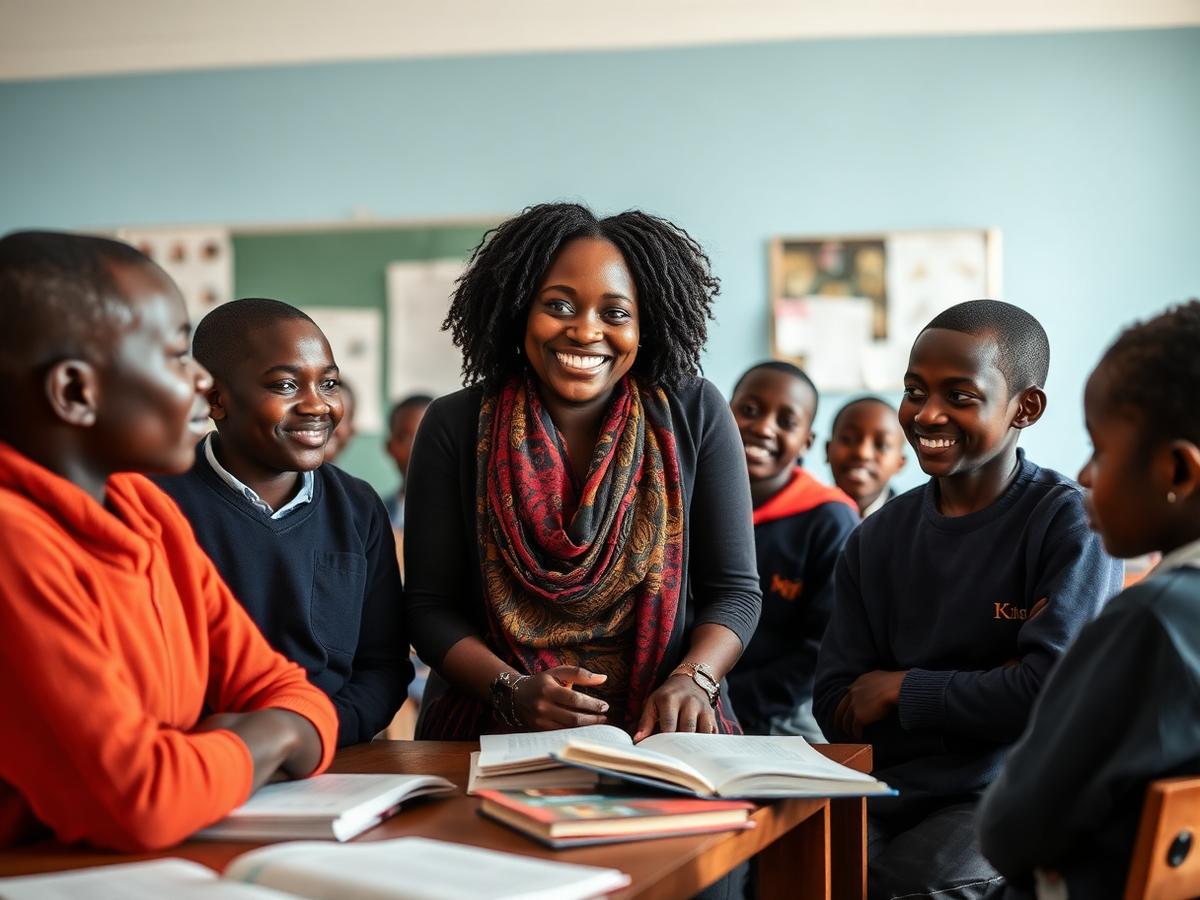
The distance between home and the classroom is not measured in kilometres alone. It is measured in risk, in fatigue, and in the quiet arithmetic parents perform when money runs short.
Read 5 min 955w
Technology & Learning·29 July 2026

The Phone on the Desk: Should Smartphones Be Allowed in Our Classrooms?

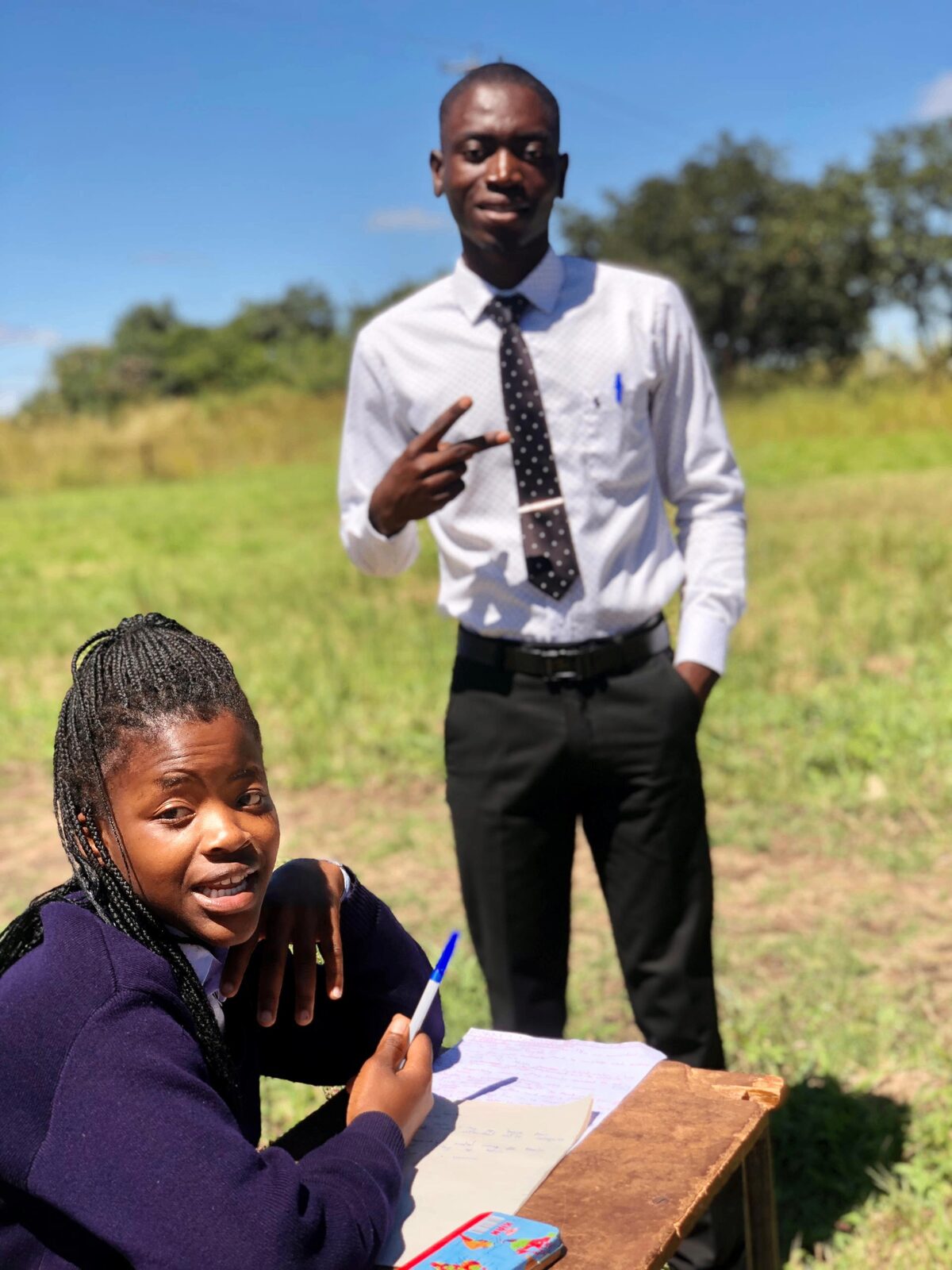
Banning the device is the easy policy. Teaching a generation to govern its own attention is the harder one — and it is the only one that will still matter after they leave school.
Read 5 min 992w
Education & Climate·2 July 2026

When the Rains Fail: How a Bad Season Empties a Classroom

Drought does not appear anywhere in the school syllabus, yet it may be the single most reliable predictor of whether a rural child sits the examination at the end of it.
Read 5 min 947w
Language & Learning·11 June 2026

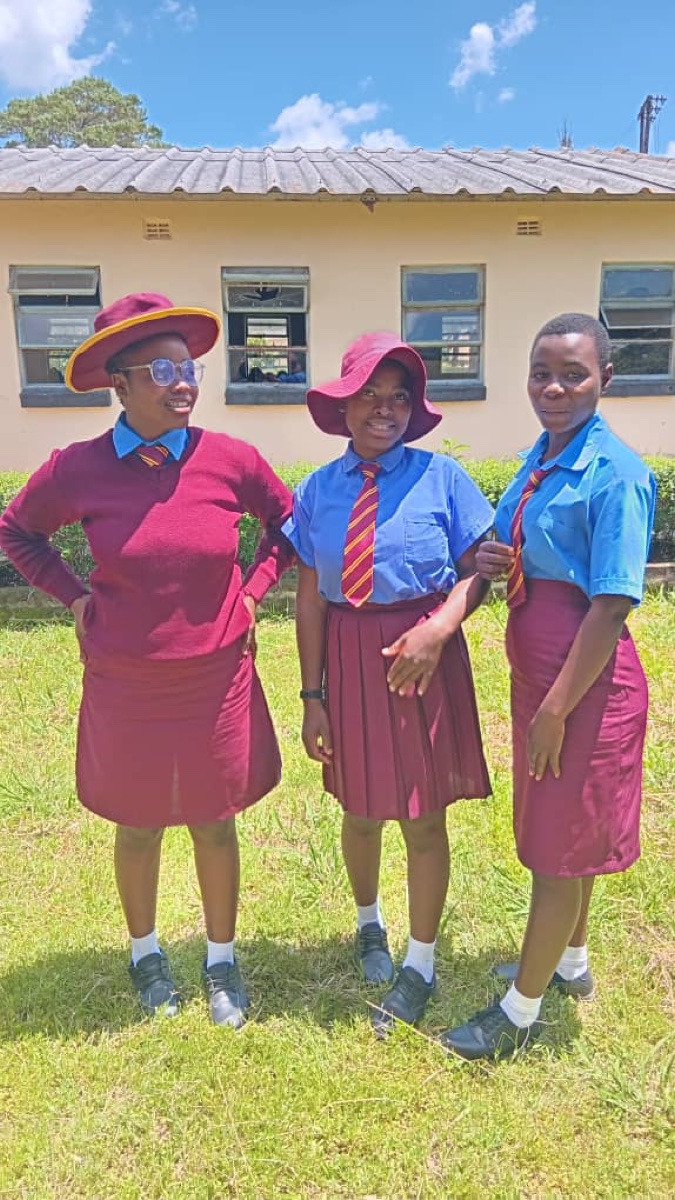
Mother Tongue First: What a Child Loses When Learning Arrives in a Borrowed Language

A six-year-old who is taught to read in a language she does not yet speak is being asked to do two difficult things at once, and is usually judged on only one of them.

Read 5 min 946w

Fund the work

Students are writing. Help us keep publishing them.

The Students' Guardian is free to read and free to write for, and it intends to stay that way. What it costs is real: editing, data for students who have none, printing for schools with no connectivity, and the slow work of getting young writers into print properly. If this page has ever taught you something, fund the next piece.

  • Editorial time — every submission is read and edited with the student, not around them.
  • Data bundles and airtime for student writers who cannot afford to file from home.
  • Printed copies distributed to schools where the internet does not reach.
  • Writing workshops that take a first draft to a publishable article.
  • A small stipend for student contributors, so writing is not a favour we ask for free.
  • Advancing education more broadly — the scholarships, materials and advocacy behind this platform.
Talk to Ronald first

Independent journalism

This reporting has no owner but its readers.

Sambona Worldwide Media takes no political funding and runs no paywall. Interviews, travel, fact-checking and photography are paid for by people who believe these stories should exist. Contribute, or partner with us.

Partner with us